

What is Modular Design?
Release time: 2026-09-20
What is modular design? In their book 100 Ideas That Changed Design, Charlotte and Peter Fiell explain: “Modularity is a design method based on the concept of creating multiple independent sub-units—or modules—that can be combined to form a variety of finished designs.”
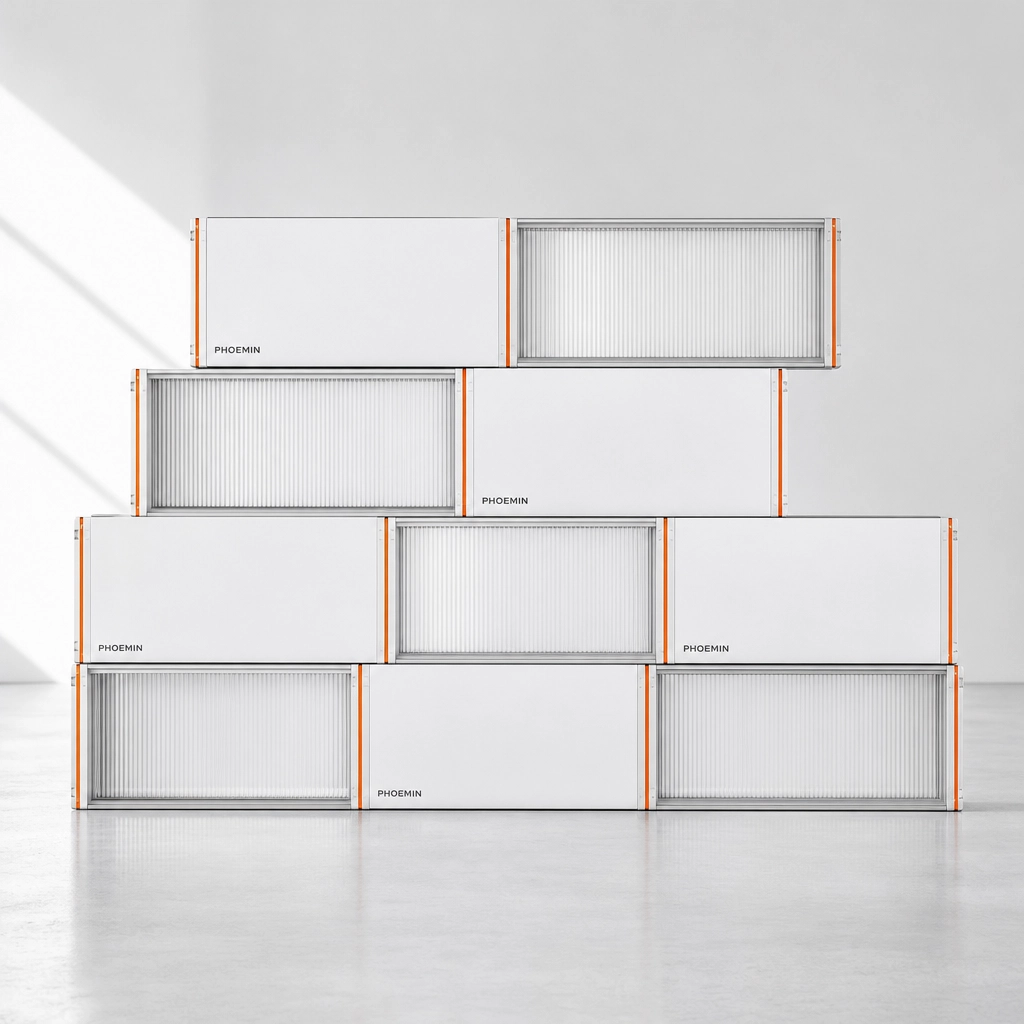
At the same time, the author likens modularity in industrial design to the bricks used in constructing a house; fundamentally, modularity is a highly sensible design approach rooted in simplification, standardization, and systematization, where independent modules serve as “building blocks” within a larger, holistic design.
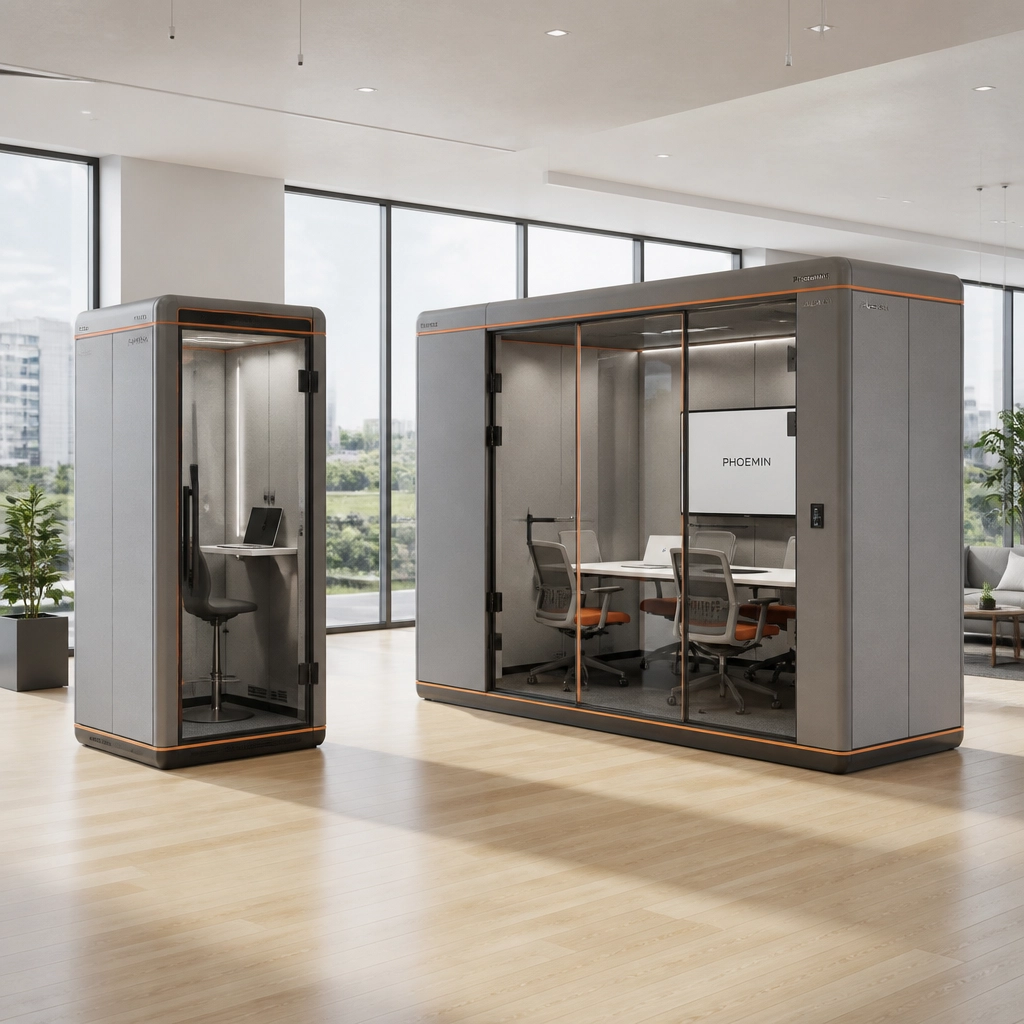
However, the key factor determining the success of a modular design is the quality of the connections between the independent units—acting, in effect, as an adhesive that allows the overall utility of the design to exceed the sum of its parts.
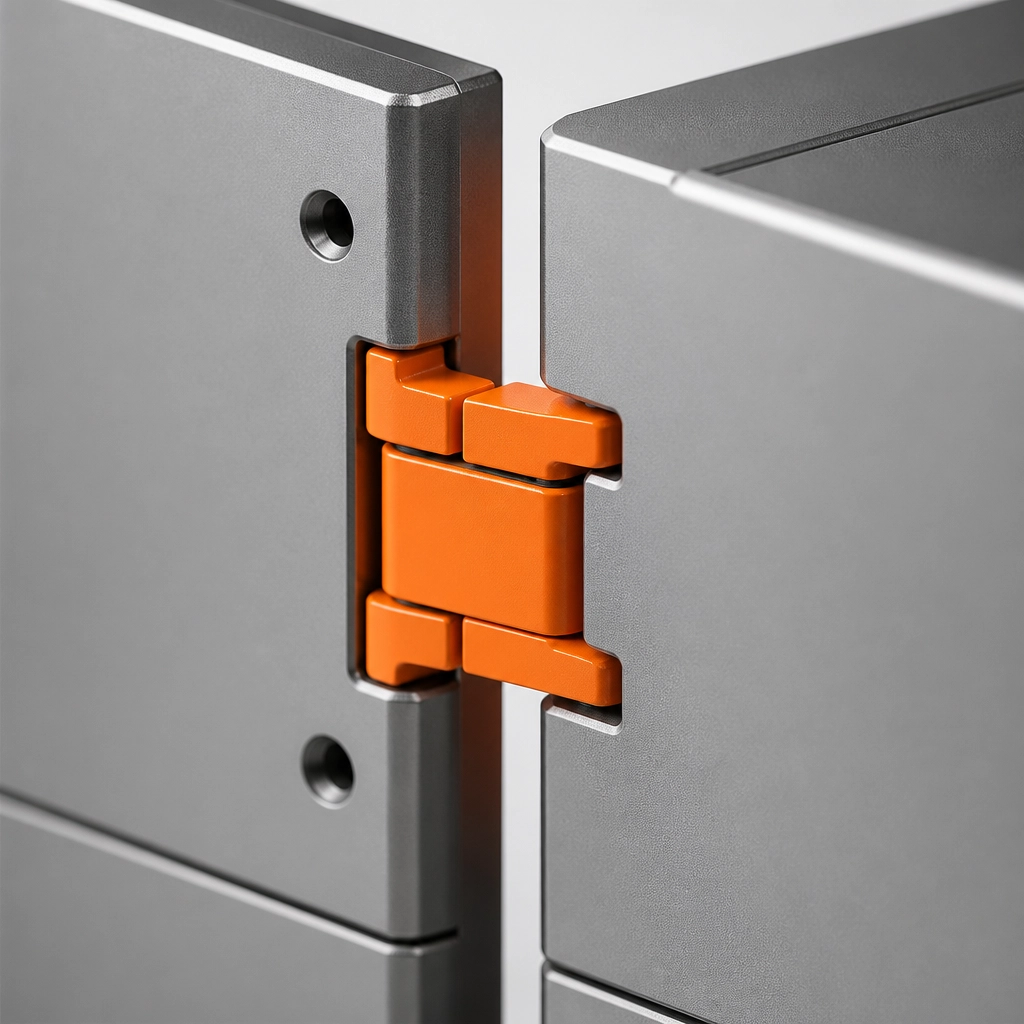
In practice, a modular design approach enables personalized customization of products—such as in terms of space, functionality, and color—while also facilitating economies of scale in production and ease of transportation; furthermore, it fosters innovation and environmental sustainability through the interchangeability and replaceability of components.