


ما هي الاختلافات بين وحدات المكاتب؟
تاريخ الإصدار: 11 سبتمبر 2026
إن "الهدوء" ليس سوى الأساس؛ فالتجربة الصوتية الشاملة هي ما يهم حقاً.
للوهلة الأولى، تبدو جميع الكبسولات العازلة للصوت الموجودة حاليًا في السوق متشابهة إلى حد كبير.
وهي تتكون من مساحة مستقلة - تتميز بباب وجدران - يكملها مكتب وكرسي وإضاءة ونظام تهوية.
ومع ذلك، بعد استخدامها فعلياً، يجد المرء أن بعض الكبسولات تدعوك للبقاء لفترات طويلة، بينما البعض الآخر مناسب فقط للاستخدام القصير والمتقطع.
لماذا يوجد فرق ملحوظ في تجربة المستخدم بين المنتجات التي تبدو متشابهة للغاية؟
لأن ما تقدمه الكبسولة العازلة للصوت في نهاية المطاف ليس مجرد مساحة مغلقة، بل تجربة مستخدم شاملة.

حتى في الأماكن المغلقة، يمكن أن يختلف مستوى الراحة بشكل كبير.
إلى جانب الصوتيات، هناك عامل آخر يسهل تجاهله: هل المكان مريح للتواجد فيه؟
باعتبارها وحدة مكتفية ذاتياً نسبياً، فإن التهوية والإضاءة والتصميم الداخلي للكبسولة العازلة للصوت تشكل بشكل مباشر تجربة المستخدم.
على سبيل المثال، إذا كان المكان ضيقًا - حيث يشغل المكتب والكرسي والمعدات معظم المساحة - فقد يكون الاستخدام قصير المدى مناسبًا. ومع ذلك، يصبح نقص المساحة واضحًا بشكل صارخ خلال فترات العمل أو الاجتماعات أو المقابلات الطويلة. وينطبق الشيء نفسه على التهوية.
يجب أن تظل الكبسولة العازلة للصوت هادئة مع ضمان تدفق هواء كافٍ؛ وبالتالي، يتطلب تصميم المراوح وقنوات الهواء وأنظمة الحد من الضوضاء نهجًا شاملاً.
الإضاءة أيضاً تتضمن أكثر من مجرد تركيب مصباح.
يُحسّن الإضاءة المناسبة الأجواء البصرية للمساحة المغلقة، ويؤثر إيجابًا على الأداء خلال مؤتمرات الفيديو والمقابلات عبر الإنترنت ومهام العمل العامة. ورغم أن هذه التفاصيل قد تبدو بسيطة منفردة، إلا أنها مجتمعةً تُشكّل الانطباع الأولي للمستخدم عن الكبسولة.
غالباً ما تنبع التجربة الممتازة حقاً من خيارات تصميم دقيقة يسهل تجاهلها.

غالباً ما تكون اختلافات المنتجات مخفية عن الأنظار.
تُعد الوحدات الصوتية أسهل في المقارنة بناءً على مظهرها.
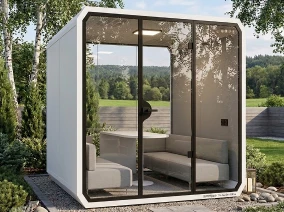
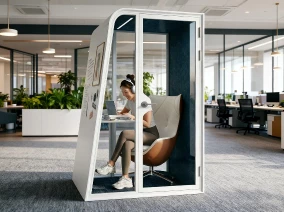
الأبعاد واللون ومساحة سطح الزجاج ونمط الطاولة والكراسي كلها مرئية على الفور.
ومع ذلك، فإن العوامل التي تؤثر فعلاً على الاستخدام طويل الأمد غالباً ما تكون مخفية عن الأنظار.
وتشمل هذه كيفية توصيل المكونات المختلفة، وما إذا كان الباب يظل مستقرًا بمرور الوقت، وتصميم هيكل الإغلاق، وكيفية تقليل نظام التهوية لضوضاء التشغيل، وكيفية تكامل العناصر الهيكلية المختلفة مع بعضها البعض.
هذه ليست جوانب يمكن للمستهلك الحكم عليها بنظرة سريعة، ولكنها تصبح واضحة على مدار الاستخدام طويل الأمد.
لهذا السبب، عند اختيار كبسولة صوتية، لا يمكن للمرء ببساطة مقارنة المظاهر أو المواصفات المنفردة.
من التصميم والإنتاج إلى التركيب النهائي، تؤثر كل مرحلة من مراحل العملية على تجربة المستخدم النهائية.
إن تصميم كبسولة صوتية ليس مجرد مسألة تجميع مواد عازلة للصوت وزجاج وباب وأثاث؛ بل يتطلب نهجًا شاملاً يأخذ في الاعتبار الصوتيات والتصميم المكاني والتهوية والسلامة الهيكلية وسهولة الاستخدام العملي.
في النهاية، عندما يستخدم المستخدمون الكبسولة فعلياً، فإنهم لا يقيمون هذه العوامل بمعزل عن بعضها البعض.
في النهاية، لا يرى المستخدم سوى نتيجة واحدة:
مدى جودة أداء الكبسولة الصوتية عملياً.
إذن، لماذا تختلف تجربة المستخدم بشكل كبير بين وحدات العزل الصوتي المختلفة؟ غالباً ما لا يكمن الجواب في ميزة واحدة بارزة، بل في مدى إتقان المنتج لتلك التفاصيل الخفية.

